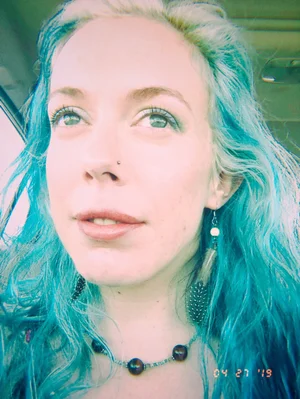
I was born on the soil of the Republic of Texas.
I begin there because I have come to understand confidence differently.
Confidence is not simply believing in yourself. It is knowing who you are, knowing where you come from, and becoming capable of standing in that knowledge without requiring someone else to confirm it.
My story contains inheritance and belonging, but also rupture, loss, poverty, rebuilding, and a great deal of learning.
I have lost siblings. I have known periods when basic problems remained unsolved because I simply did not yet have the resources to solve them. For seven years of my childhood and adolescence, I lived without proper front teeth after they were badly broken in a bicycle accident. Like many things we experience while young, it was a circumstance I did not yet have the authority, resources, or developmental capacity to resolve for myself.
My sister became someone I relied upon deeply. I adored her. When people asked what I wanted to be when I grew up, in many ways, I wanted to be her.
Six years after the bicycle accident, she was driving me to go swimming to cheer me up when we were in a car accident. She died. I survived.
For years, I did not really face what had happened.
Eventually, the ways I had learned to survive stopped working. My life began to unravel, and I finally accepted help.
That, too, is part of becoming capable.
Capability is not the ability to need no one. Sometimes it is precisely the capacity to recognize that what we are carrying exceeds what we currently know how to hold—and to allow someone else to help us develop what is missing.
I had to learn how to live without someone I had depended upon, while also discovering who I was when I could no longer grow up to be her.
Over time, I inherited the task of addressing circumstances I had not created and developing capacities I had not yet been taught.
I went to stay with family to restart and my teeth were fixed.
But the larger repair took longer.
I began learning that we do not have to condemn ourselves for the ways we survived before we knew another way. Nor are we responsible for possessing capacities before we had the opportunity to develop them.
As knowledge, support, resources, and agency become available, however, something changes.
We begin to inherit responsibility for what happens next.
Human beings need both internal capacities and external conditions that support their development.
In Stabilizing What Remains, I explore the other side of this relationship: what happens when trauma and vulnerability intersect with institutional systems, and why preserving stability and human dignity matters.
Read: Stabilizing What Remains