
Begin Here
Growing Older Does Not Guarantee Greater DiscernmentGrowing older and becoming fully self-governing are not necessarily the same thing.
Human beings develop through different ways of relating to authority, responsibility, identity, other people, and themselves.
These are not rigid labels or permanent identities. They are patterns we can learn to recognize—in ourselves, our relationships, our institutions, and the systems we participate in.
Recognition gives us somewhere to begin.
Dependence
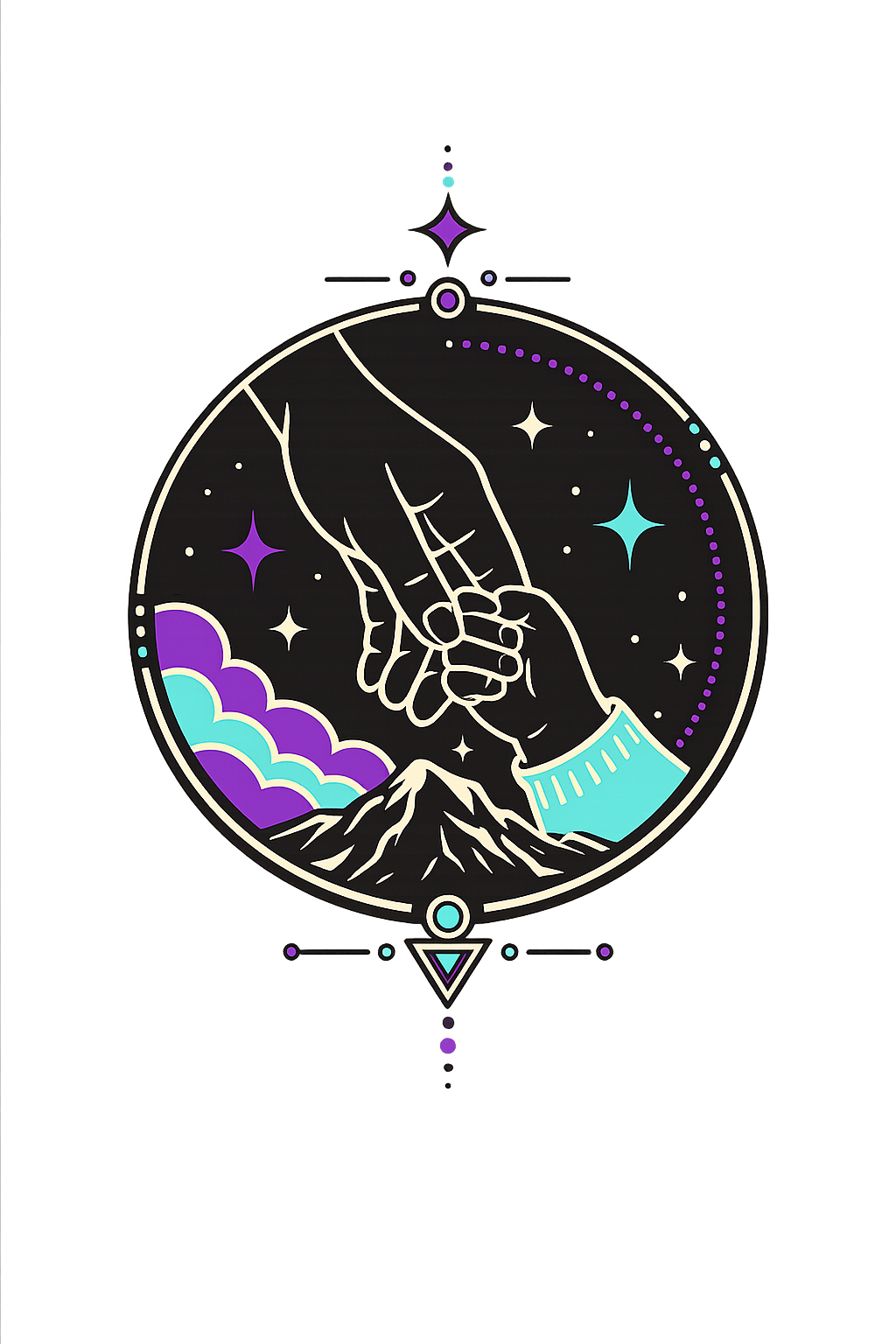
We rely upon others for direction, protection, interpretation, and survival.Dependence is natural and necessary at certain stages of life.
The difficulty arises when we never develop beyond it.
When we depend entirely upon institutions, authorities, partners, experts, or communities to tell us what is true and what we should do, we remain vulnerable to influence we have not learned to evaluate.
Adolescence
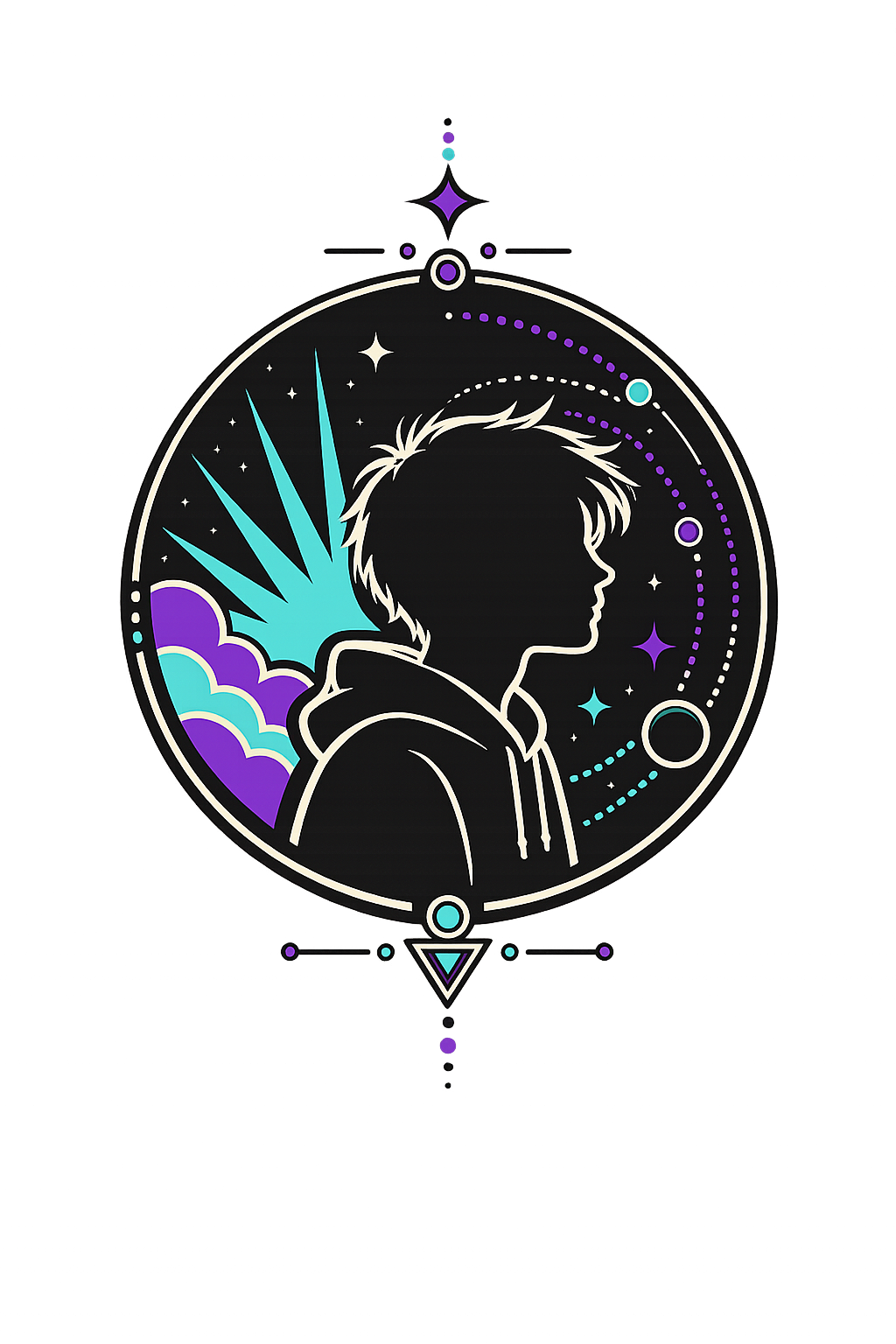
We begin questioning authority.We recognize contradiction.
We test boundaries.
We resist what no longer makes sense.
This stage is necessary.
But questioning authority is not yet the same as governing ourselves.
Rebellion can still leave us controlled by the very thing we oppose.
If our decisions are primarily reactions against another person, institution, or system, that system still determines our direction.
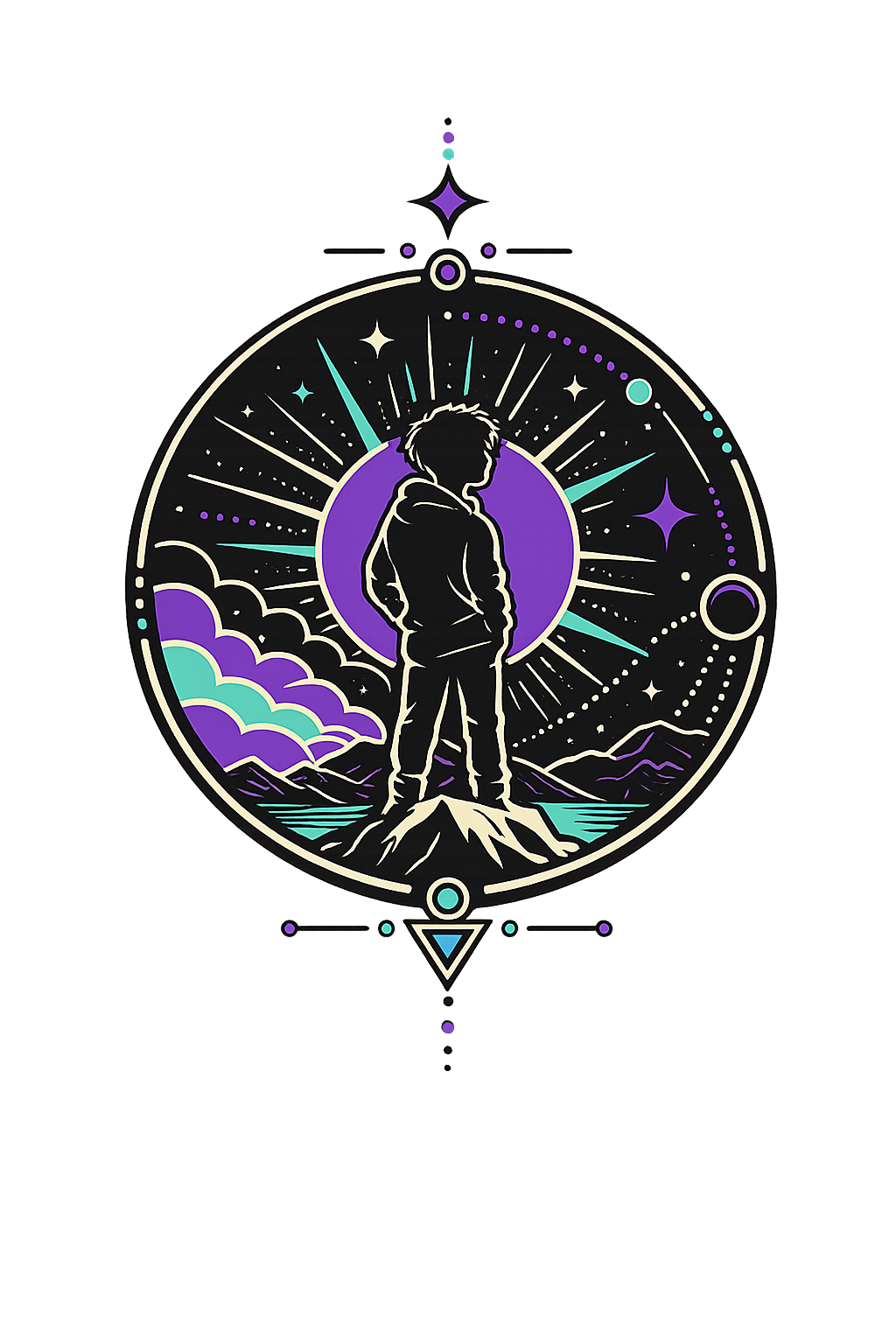
Self-Governance
We begin developing an internal center of responsibility.We begin asking:
“What is my responsibility here?”
We learn to examine information before accepting it.
To understand agreements before entering them.
To regulate ourselves before reacting.
To distinguish conviction from impulse.
To recognize consequences before choosing action.
Self-governance is not isolation.
It is the development of sufficient internal stability to participate in the world without surrendering judgment.
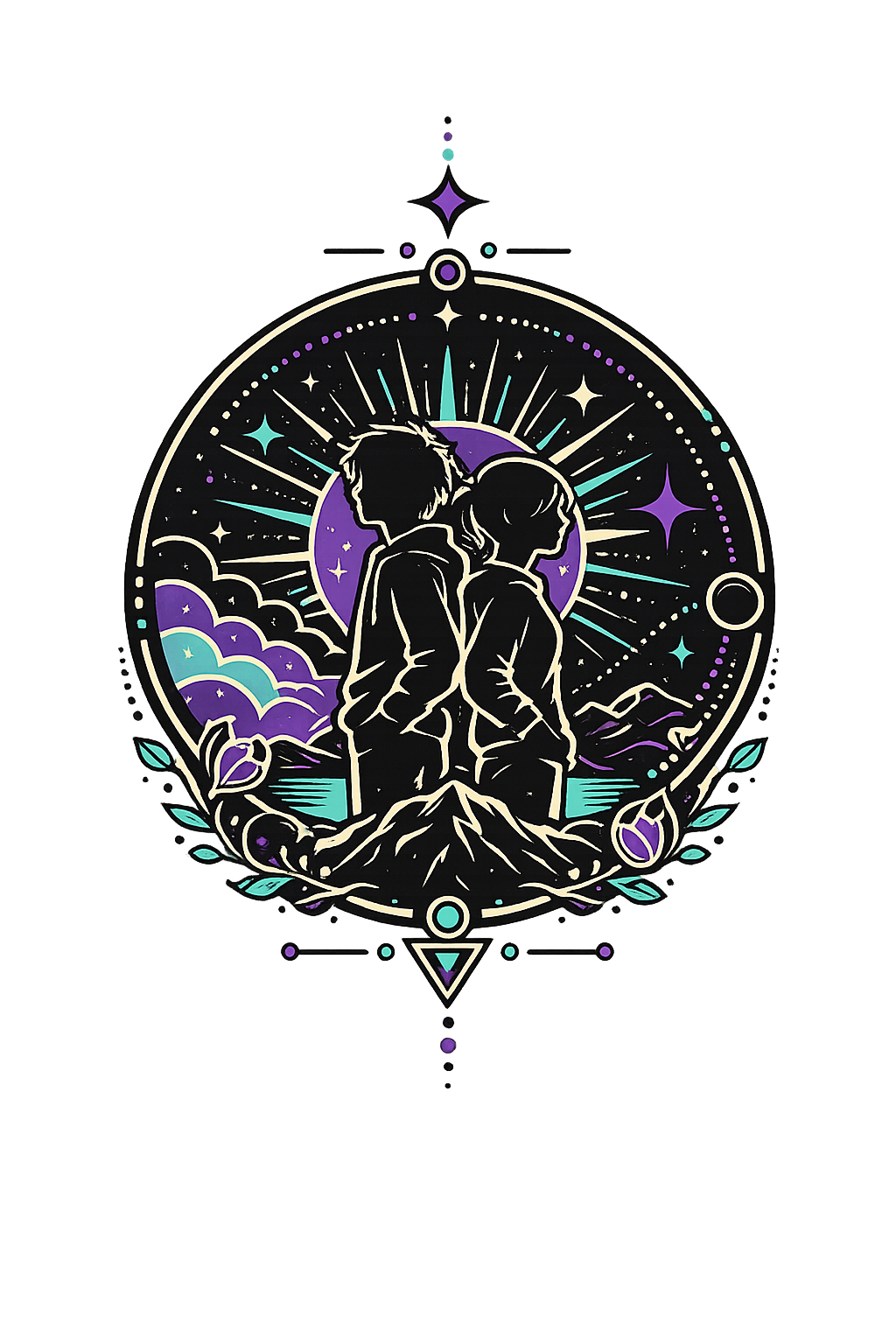
Co-Development
Once we can stand responsibly on our own, something new becomes possible.We can grow alongside others without disappearing into them.
Relationships become places of mutual development rather than control, rescue, dependence, or competition.
We can disagree without immediately becoming enemies.
We can collaborate without surrendering ourselves.
We can receive expertise without abandoning discernment.
We can contribute our strengths while respecting the strengths of others.
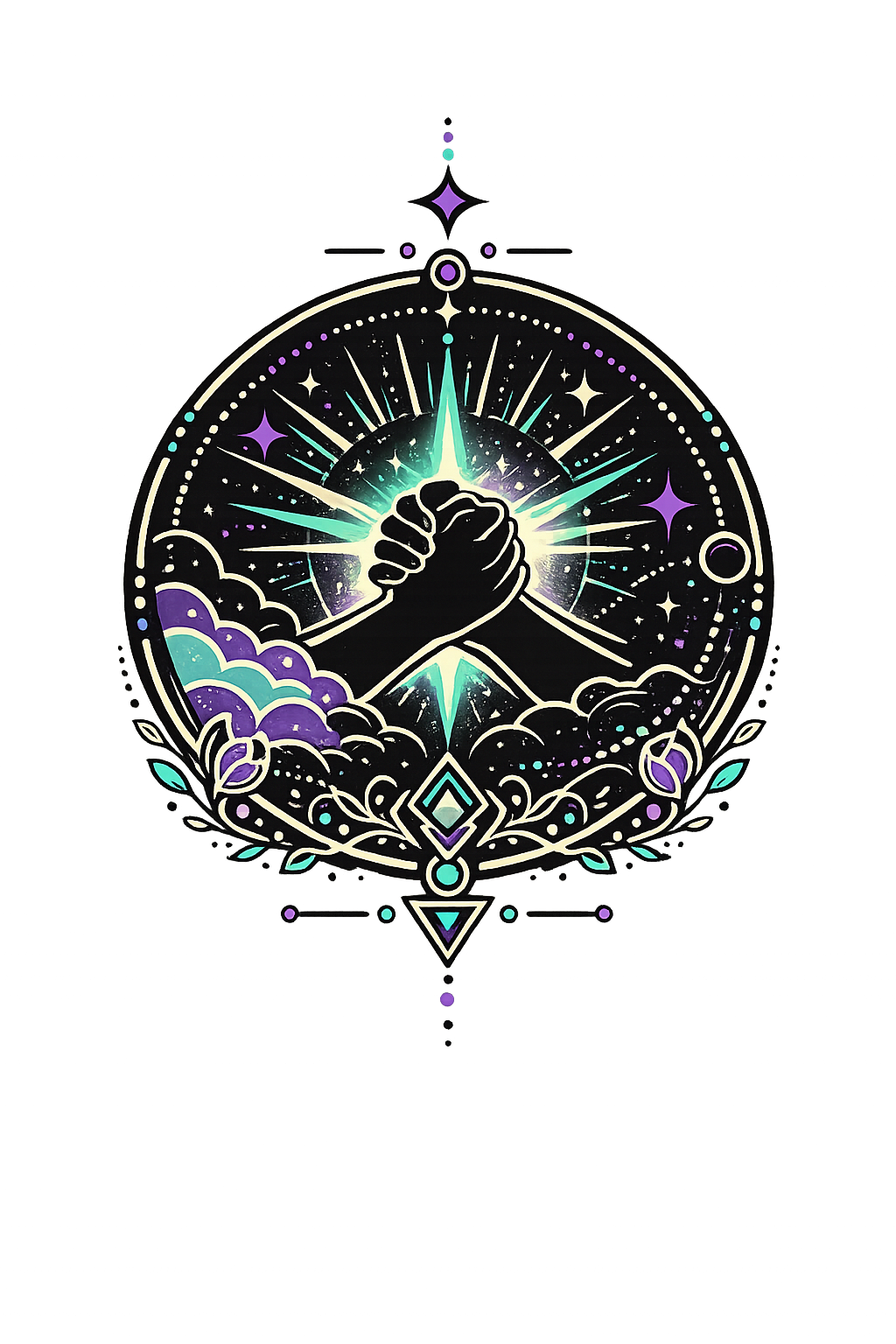
We build families.
Communities.
Businesses.
Institutions.
Agreements.
Systems of exchange.
Interdependence allows capable individuals to cooperate voluntarily while maintaining responsibility for themselves.
The goal is neither dependence nor radical independence.
It is the capacity to participate consciously in relationships and systems without losing ourselves inside them.
Interdependence
Mature human beings do not need to do everything alone.Development Becomes Practical
Human development is not an abstract idea.It shapes how we read an agreement before signing it. How we respond to authority. How we handle conflict. How we manage money and responsibility. How we communicate boundaries. How we distinguish cooperation from dependence—and how we make decisions when the stakes are high.
The purpose of this work is not to arrive at a perfect stage of development.
It is to become more capable of recognizing where we are, what a situation requires, and how to respond with greater discernment, responsibility, and choice.
Human Development Foundations
Begin with understanding.Free education, resources, and practical tools for developing greater discernment, self-governance, and responsible participation in the world around you.
Explore articles, videos, templates, and introductory materials on human development, agreements, authority, stewardship, communication, and practical decision-making.
If you are new to DezisMilk, begin here
Core Frameworks
Move from understanding into practice.Structured educational resources for people ready to examine specific areas of life more deeply.
Explore field guides, frameworks, workshops, and practical learning tools designed to strengthen contract literacy, discernment, communication, stewardship, investigation, decision-making, and other capacities of self-governance.
This is where philosophy becomes something you can actually use.
Private Advisory
For situations that require individual discernment.
Some circumstances cannot be resolved through general education alone.
Private Advisory provides confidential, thoughtful support for individuals, families, and organizations navigating complex decisions, competing considerations, or situations requiring discretion and careful reasoning.
This is not coaching or a substitute for licensed legal, financial, medical, or other professional advice.
It is a private space to organize complexity, identify the right questions, evaluate options and risk, and determine what additional expertise or action may be appropriate.
There Is No Final Stage
Self-governance does not mean never needing anyone.
In fact, mature development may lead us in the opposite direction.
We learn to stand responsibly on our own so that we can participate more consciously with others—not through dependence, coercion, or the loss of self, but through choice, reciprocity, stewardship, and mutual responsibility.
The movement from dependence toward interdependence is not a straight line. Different circumstances may reveal different patterns within us.
The work is simply to become capable of seeing them.