
Stabilizing What Remains
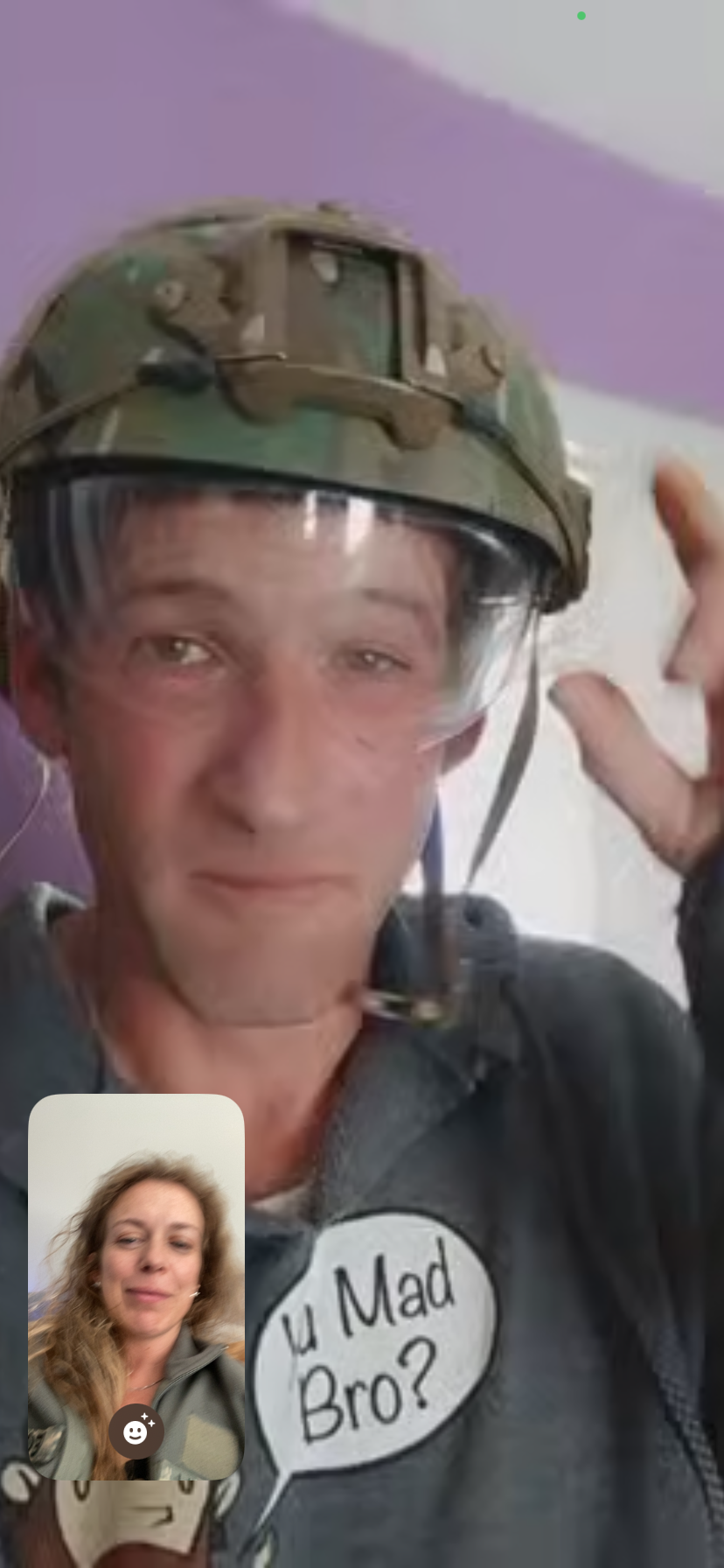
I have returned to traveling again, though not for leisure.
For now, I am parked in the mountains of Colorado, helping stabilize the affairs of a disabled veteran whose life has become increasingly entangled in courts, institutional systems, mental health proceedings, and public misunderstanding. His famous dogs — Max, Ollie, and Tyson — have become my little cheerleaders while I maintain the property and attempt to preserve some measure of continuity in uncertainty.
I believe it is important to explain why I am here because these matters surrounding Joseph Shadowens have already become quite public. In the modern world, short clips and emotionally charged narratives spread rapidly online. A man can be reduced to a label overnight: “sovereign citizen,” “extremist,” “anti-government,” or “freedom fighter,” depending entirely on who is listening.
But human beings are more complicated than headlines.
The man I came to help is a disabled veteran who sustained serious injuries through military service. He lost friends in war. He carried burdens home that most people will never fully comprehend. Whatever one believes about politics, foreign policy, or the structure of government itself, we should still be able to recognize sacrifice, trauma, and human fragility when we see it.
Over the years, his interactions with law enforcement and the courts appear to reflect not only emotional dysregulation, but also a profound distrust of institutions he no longer believes are protecting him. In many cases, individuals carrying severe trauma do not respond calmly under pressure, especially when repeatedly confronted by systems they experience as impersonal or adversarial.
That reality does not excuse harmful behavior. But neither should trauma automatically become criminalization.
There is an uncomfortable truth modern society often avoids: many people experiencing mental health crises are not inherently dangerous. They are overwhelmed, isolated, dysregulated, and unable to properly navigate increasingly procedural systems. When this happens, misunderstanding escalates rapidly. Fear replaces communication. Institutions respond mechanically. And lives begin to collapse under administrative weight.
What I see unfolding is not simply a legal matter. It is a human one.
I also believe our society has lost some of its ability to separate disagreement from dehumanization. A person questioning authority, distrusting institutions, refusing certain processes, or misunderstanding procedure does not automatically become an enemy of society. In many cases, they are reacting to years of accumulated confusion, fear, pain, and perceived betrayal.
The deeper issue underneath many of these conflicts is legitimacy and consent.
Governments derive authority through public trust and participation. Courts, licenses, systems, and institutions function because people collectively recognize and engage with them. Yet many people never consciously examine the obligations, assumptions, and dependencies embedded within modern life. Participation often becomes automatic long before it becomes understood.
The deeper question emerging across society is not whether human beings want chaos, but whether they still possess meaningful agency, informed consent, and room for conscience within the systems governing them.
That does not mean chaos is the answer.
It means restoration matters more than escalation. It means institutions must demonstrate genuine care, legitimacy, and proportionality if trust is to remain intact.
I do not believe humanity needs more ideological warfare. I believe we need more emotionally regulated people capable of building lawful, compassionate, and coherent structures that preserve dignity while maintaining order.
There is no war between ordinary people. Much of what we are witnessing is unresolved communication between human beings and increasingly impersonal systems.
For now, my role is simple:
preserve stability,
care for living beings,
maintain what can still be maintained,
keep careful records,
speak truth where necessary,
and help ensure another human being is not abandoned while vulnerable.
That alone feels meaningful enough.
— Desiree, Queen in trust